
Restoring forests, wetlands, and streams around Lake Tahoe can take years to approve, sometimes long enough to miss entire construction seasons.
That delay has real consequences for water quality, wildfire risk, and ecosystem health. Cutting Green Tape is a statewide initiative to help restoration projects move forward faster by reducing duplication, improving coordination, and simplifying permitting and funding pathways , without weakening environmental protections.
For Lake Tahoe, that means getting critical work on the ground sooner and saving money and resources from getting caught up in permitting.
How Cutting Green Tape Began
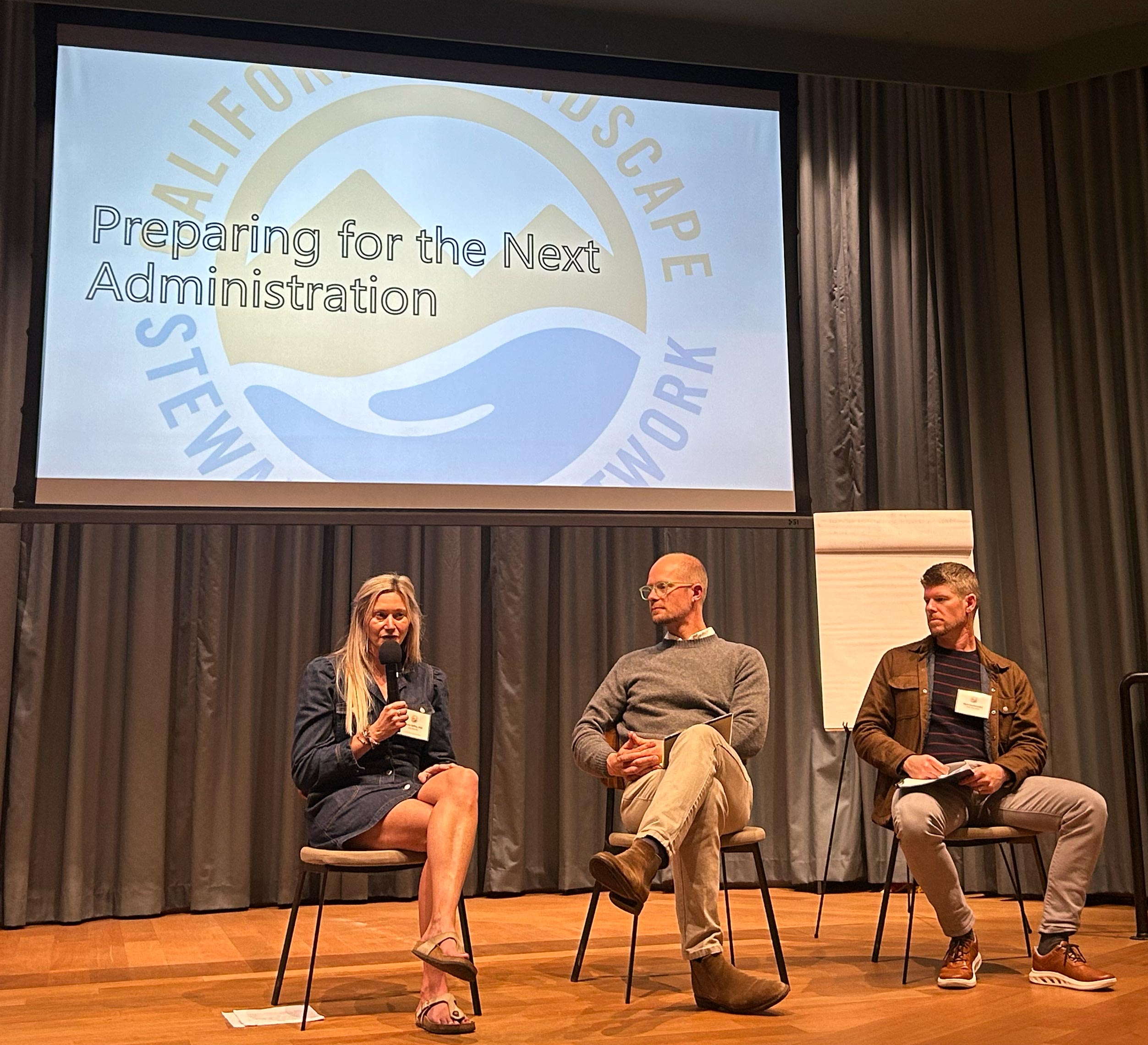
The California Landscape Stewardship Network (CLSN) is a “network of networks” promoting innovation among collaborative stewardship practitioners, funders, policymakers, and local communities to increase the pace and scale of this work and sustain the places that are vital to our collective well-being.
It was formed to connect people doing conservation and restoration work across the state, so they could share lessons, solve problems, and move good ideas farther, faster. Early on, one challenge kept surfacing: too many beneficial projects were getting stuck in layers of permitting and process before they could begin.
The CLSN helped turn that frustration into action. The network convened state agency staff and conservation practitioners, identified where projects were getting delayed, and developed a white paper with 10 recommendations for improving how restoration is delivered in California. Those recommendations helped inform Governor Gavin Newsom’s executive order to increase the pace and scale of environmental restoration and land management across the state.
Keep Tahoe Blue CEO, Darcie Goodman Collins, PhD, is a founding member of the CLSN Steering Committee. Through that role, she helped connect Tahoe’s on-the-ground restoration challenges to a broader statewide effort, while ensuring our region maintained a voice in shaping solutions.
Darcie’s work with CLSN is part of our Conservation Across Borders campaign. By connecting with partners across the state and expanding environmental work beyond the Tahoe Basin’s borders, we’re protecting the Lake from threats that can start outside, such as wildfire, invasive species, and climate change. It’s also the recipe for constant exchange of lessons, where we share our experience and bring back proven strategies to use at home.
State Leadership Drove Action
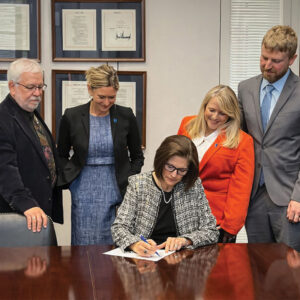
Darcie and other CLSN leaders brought these challenges to California Natural Resources Secretary Wade Crowfoot early in his tenure. He became a key champion inside the state government, helping move the issue from field frustration to state priority. That support helped transform a need from restoration practitioners into a statewide framework for change.
As Crowfoot recently wrote, Cutting Green Tape is “shifting the paradigm towards faster, more affordable, and more impactful environmental restoration.” He credited the Landscape Stewardship Network and its partners with helping drive that shift and highlighted how this work is already benefiting biodiversity, outdoor access, and ecosystem recovery across California.
From Summit Conversations to Real Results
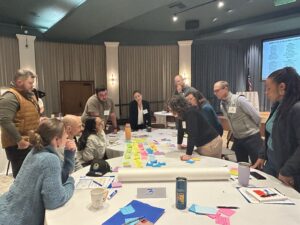 To move from policy direction to implementation, CLSN coordinated the first Cutting Green Tape Summit in 2023, bringing the staff from California’s Department of Fish and Wildlife and State and Regional Water Boards together to better understand the executive order and begin aligning around solutions. The second summit, held this March, expanded that work by bringing together even more agency staff, from local project managers to state leadership, to identify overlapping requirements, remove redundancies, and develop actions that agency leaders can carry forward.
That convening role is one of CLSN’s greatest strengths. The network does not just name problems. It creates the space, relationships, and momentum needed to solve them.
And the results are no longer theoretical. According to the state’s February memorandum, Cutting Green Tape improvements have already:
- Helped support approximately 320,000 acres of enhancement work
- Connect roughly 8.5 million acres, improve 740 miles of streams
- Saved an estimated $12.5 million that can be reinvested into more restoration
- Permitting timelines have been reduced to an average of less than three months
Those numbers matter because they show what CLSN’s convening and policy work can unlock: more habitat restoration, more connected landscapes, and more money going back into environmental solutions — all on an accelerated timeline.
What This Means for Lake Tahoe
For Lake Tahoe, this shift is deeply practical. Projects that restore wetlands, reduce erosion, and improve forest health all depend on timing. When those projects move forward faster, the benefits are cleaner water, healthier ecosystems, and stronger resilience to wildfire and climate impacts.
Tahoe has already seen this approach in action. The Taylor and Tallac Ecosystem Restoration project used Cutting Green Tape principles to move forward more efficiently. The Tahoe Resource Conservation District successfully leveraged the Statutory Exemption for Restoration Projects (SERP) for the upcoming Johnson Meadow project, another CGT tool. Keep Tahoe Blue is leading local efforts to further advance the pace and scale and restoration using those principles, by convening partners and helping move solutions through the process. That makes Tahoe not only a beneficiary of this statewide movement, but an example of it.
What Comes Next
The work is now moving into its next phase by making these improvements standard practice across California. State leadership has directed agencies to institutionalize Cutting Green Tape principles by simplifying workflows, improving coordination, continuing to refine regulatory processes, and expanding proven pathways for project delivery.
CLSN is already looking ahead as well. One outcome of this year’s summit is a set of solutions identified through interagency discussion that will be offered to agency heads for implementation. After an administrative transition in 2027, the group plans to reconvene and continue building on that progress.
For Keep Tahoe Blue, this work reflects something bigger than any one project. It shows the value of having experts at the table, bringing Tahoe’s needs into statewide conversations, and helping shape solutions that make restoration faster, smarter, and more effective — Basin-wide and beyond.