

Eyes on the Lake
Citizen scientists protecting Tahoe
from aquatic invasive species
Golden Mussels: Biggest Threat to Lake Tahoe
Golden mussels are fast-spreading invasive mollusks that can clog infrastructure, damage boats, harm native species, and fuel algae growth that turns blue water green, making them one of the biggest threats to the Lake’s famous clarity.
Golden mussels are not currently in Lake Tahoe, but watercraft inspectors stopped them from entering the Lake during a recent aquatic invasive species inspection. Prevention is working, and it depends on all of us to do our part.
Here's how you can help stop the spread of golden mussels
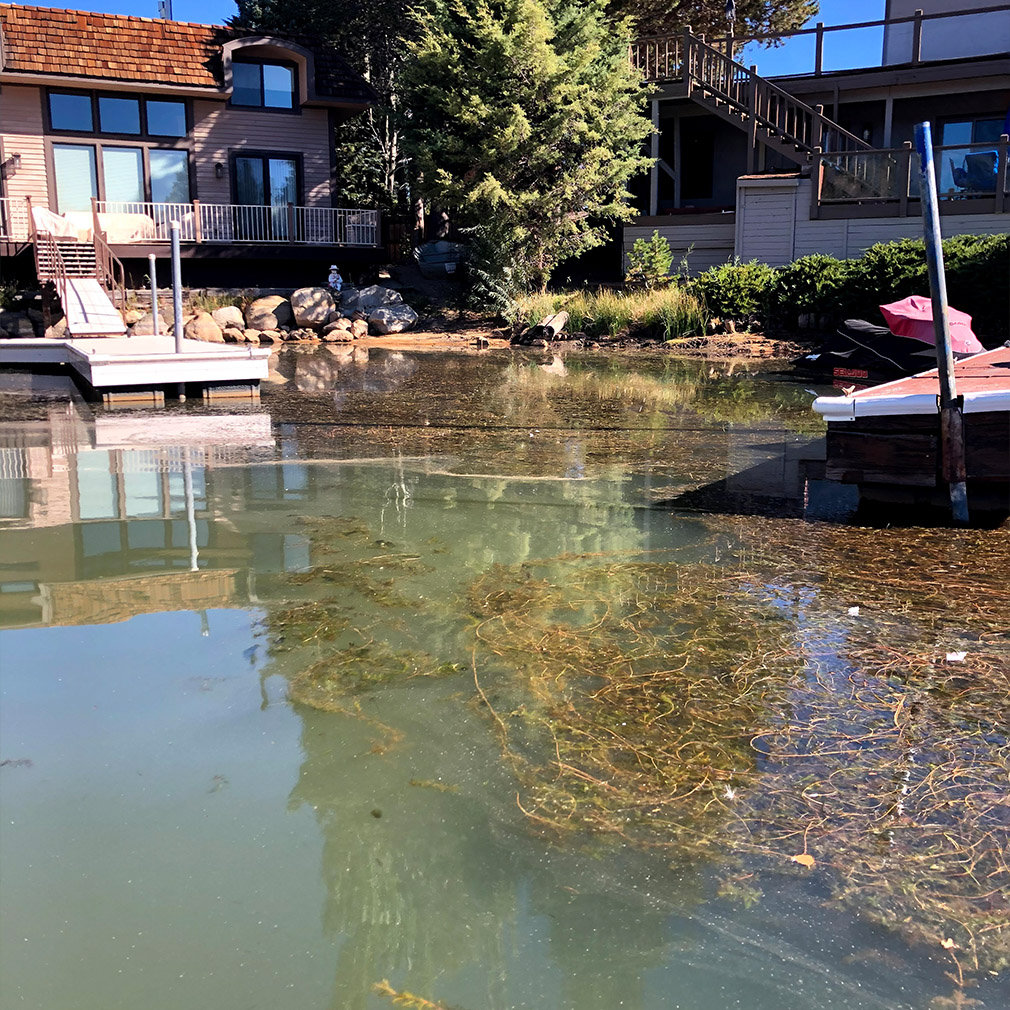
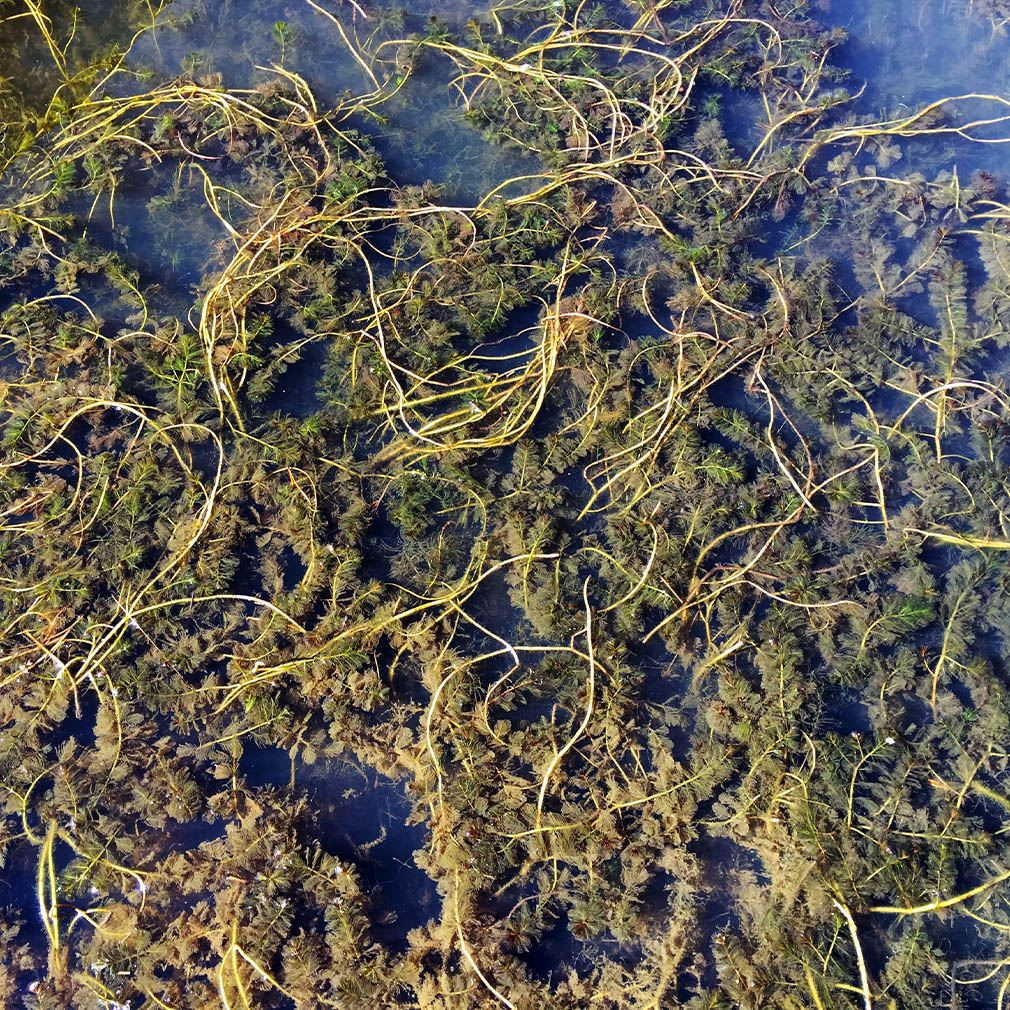
Aquatic invasive plants are threatening Lake Tahoe.
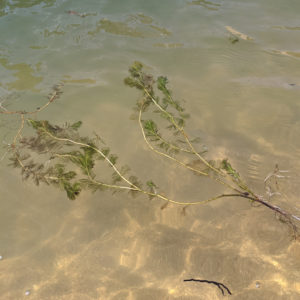
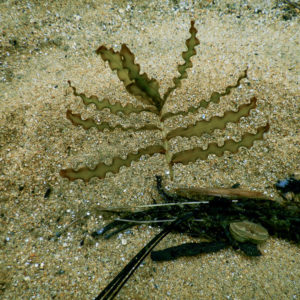
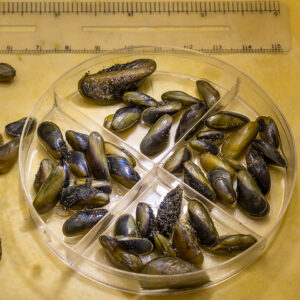
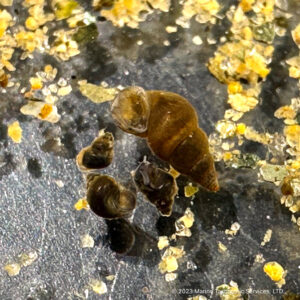
These aquatic invasive species are damaging Lake Tahoe’s ecology and water quality. The golden mussel has not reached Tahoe, but poses a very serious threat. Be sure to Clean, Drain and Dry all your gear before it hits the water. Learn more about golden mussels in this video series from the the California Department of Fish and Wildlife, and see how far they’ve spread throughout the state in this map.
Use the free Citizen Science Tahoe web tool to let us know where you’ve spotted any of these aquatic invaders.
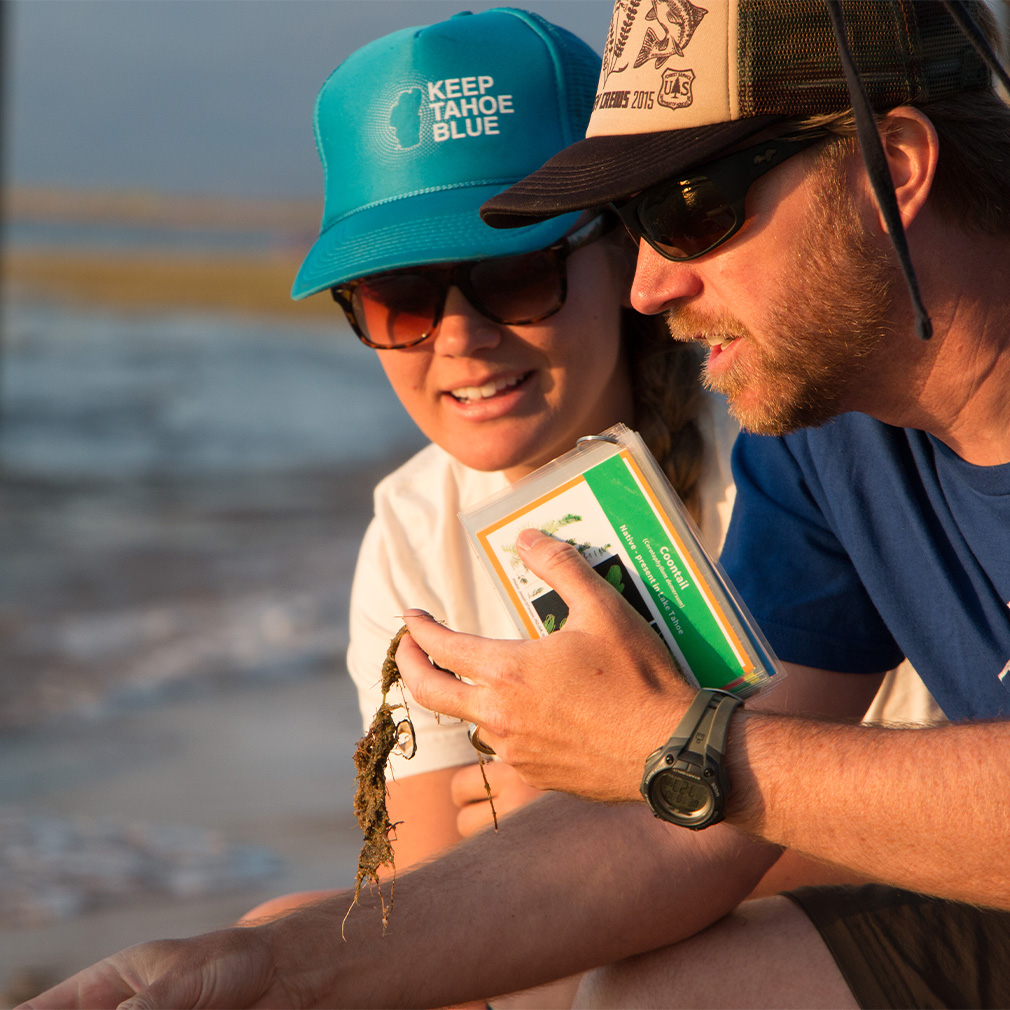
Click the plant and shellfish images to download handy ID guides.
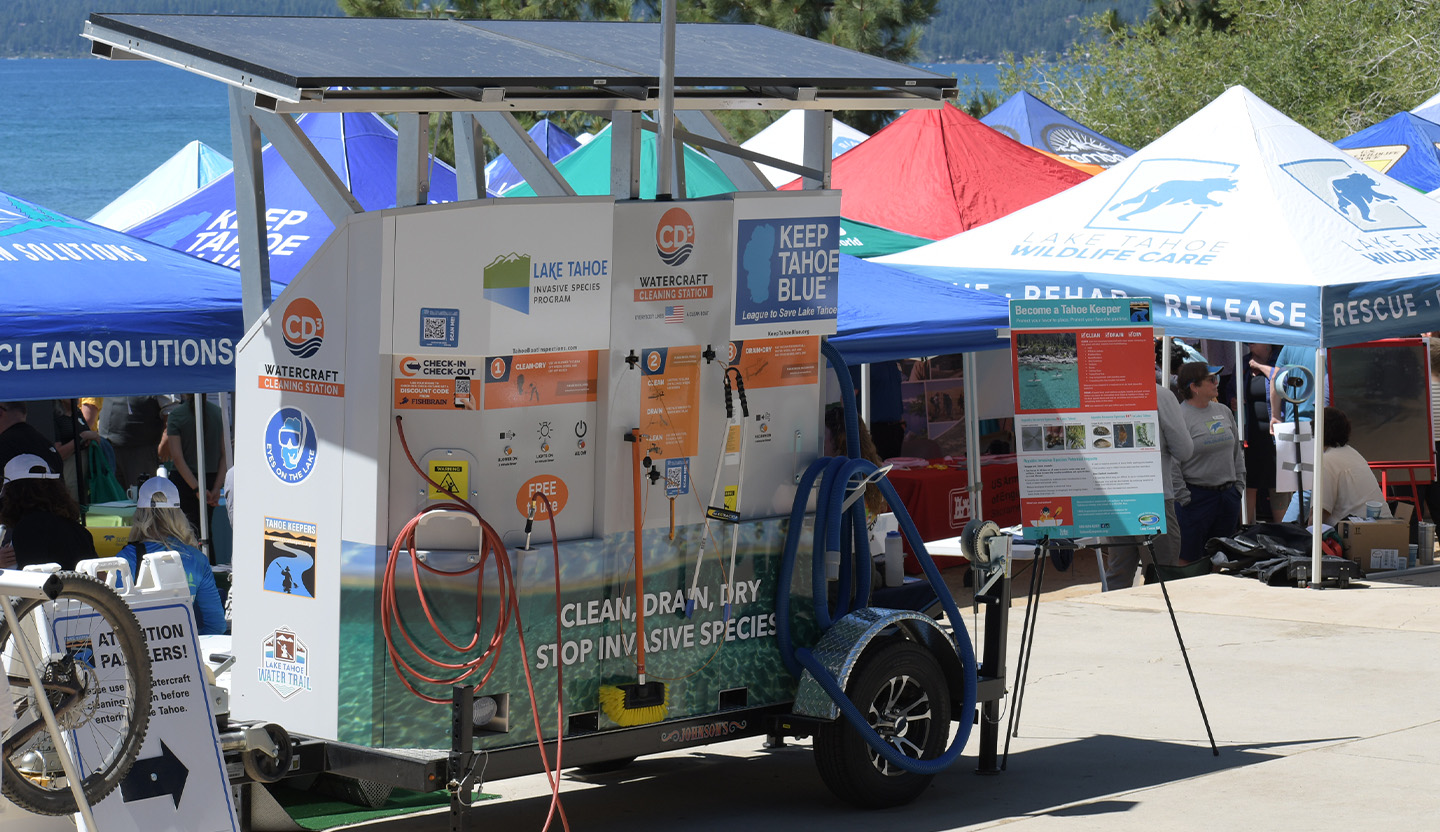
You have the power to make a difference and help preserve the Lake for future generations. Help stop the spread of aquatic invasive species and the introduction of new threats, like golden mussels, that can survive on your favorite water toys, fishing gear, and non-motorized vessels. Here’s a simple guide for hitting the Lake:
- Clean your gear by removing any plant material, mud, or debris from boats, kayaks/SUP, inflatables, water shoes, and fishing gear.
- Drain all water, open and drain compartments, ballast tanks, and coolers.
- Dry completely. Aquatic invasive species like golden mussels can survive more than a week out of water. Make sure everything is fully dry before launching.
Remember to Clean, Drain, and Dry EVERY time.
What is Eyes on the Lake?
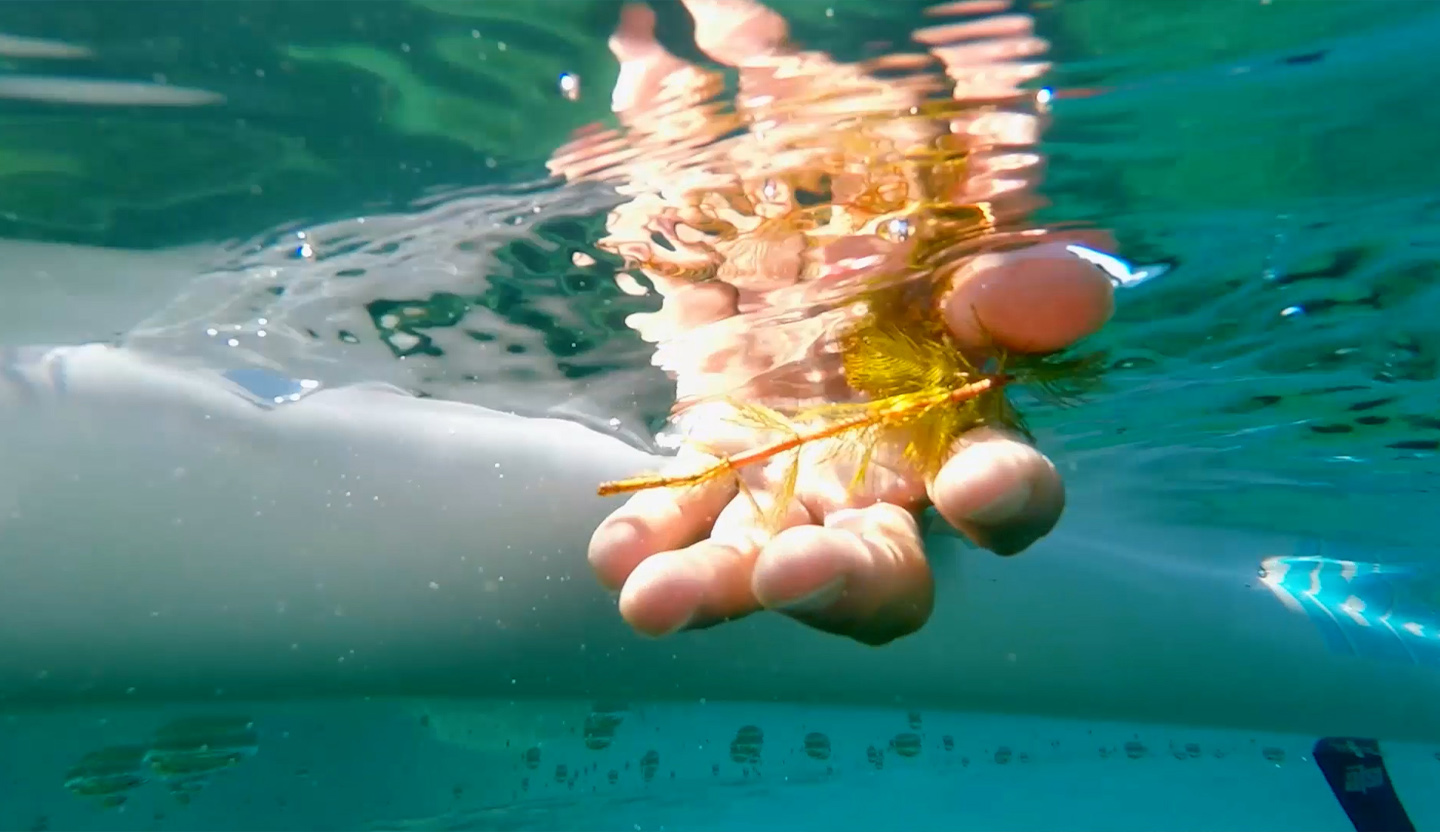
Why are aquatic invasive weeds a problem?
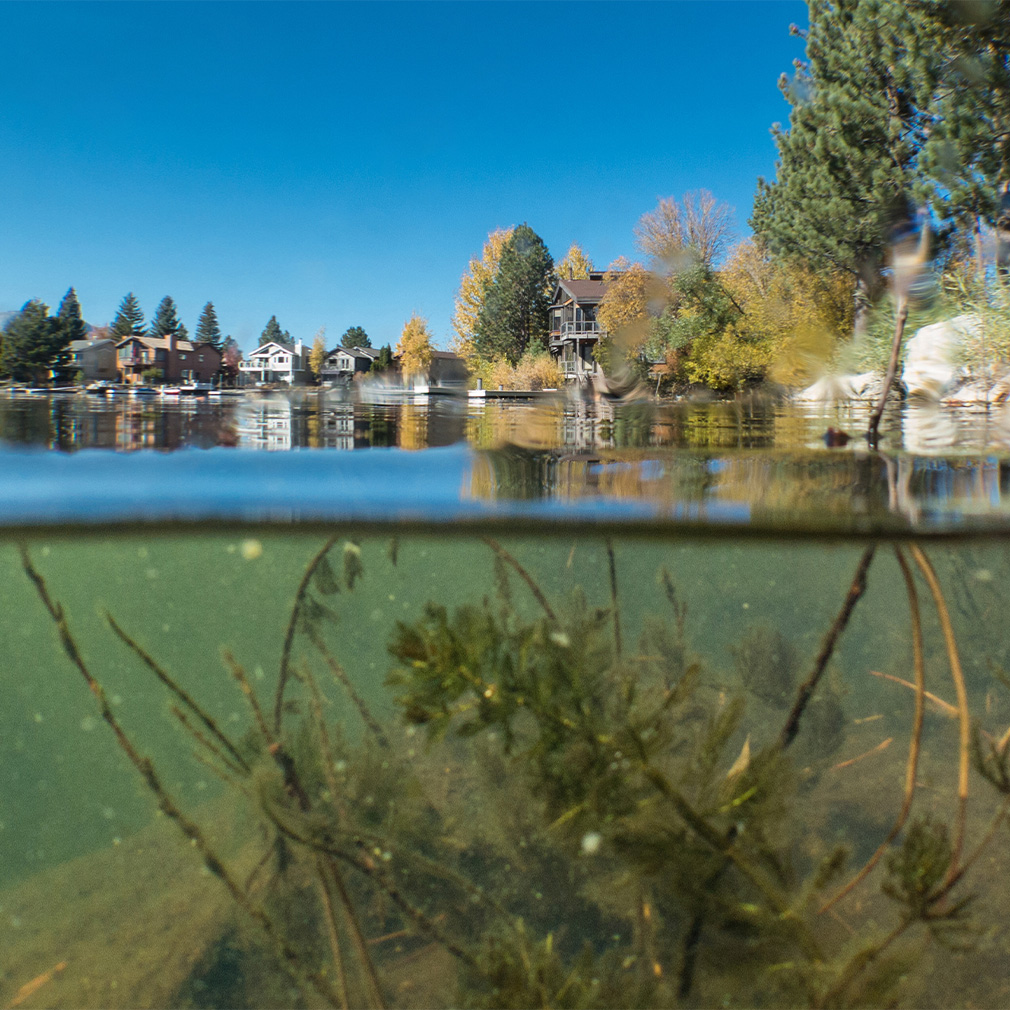
Be part of the solution

Eyes on the Lake Outreach Team
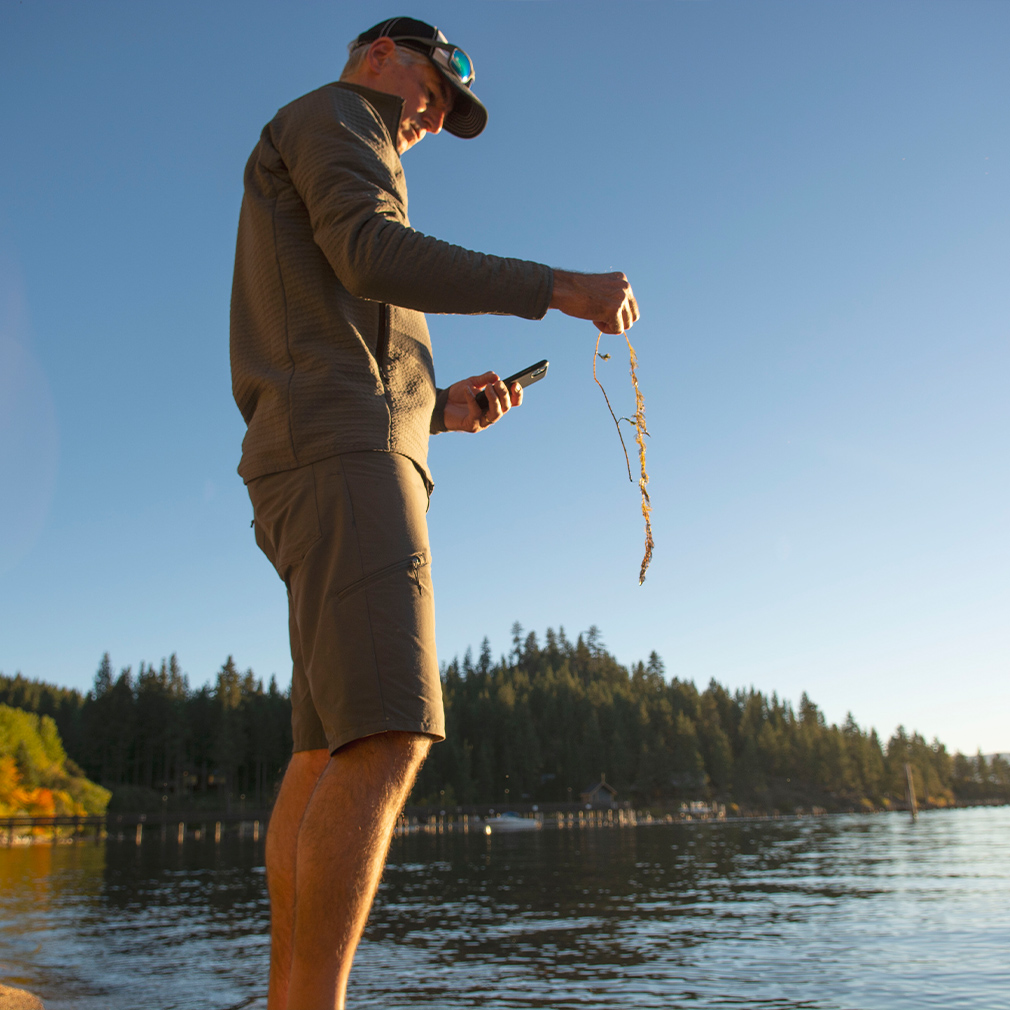
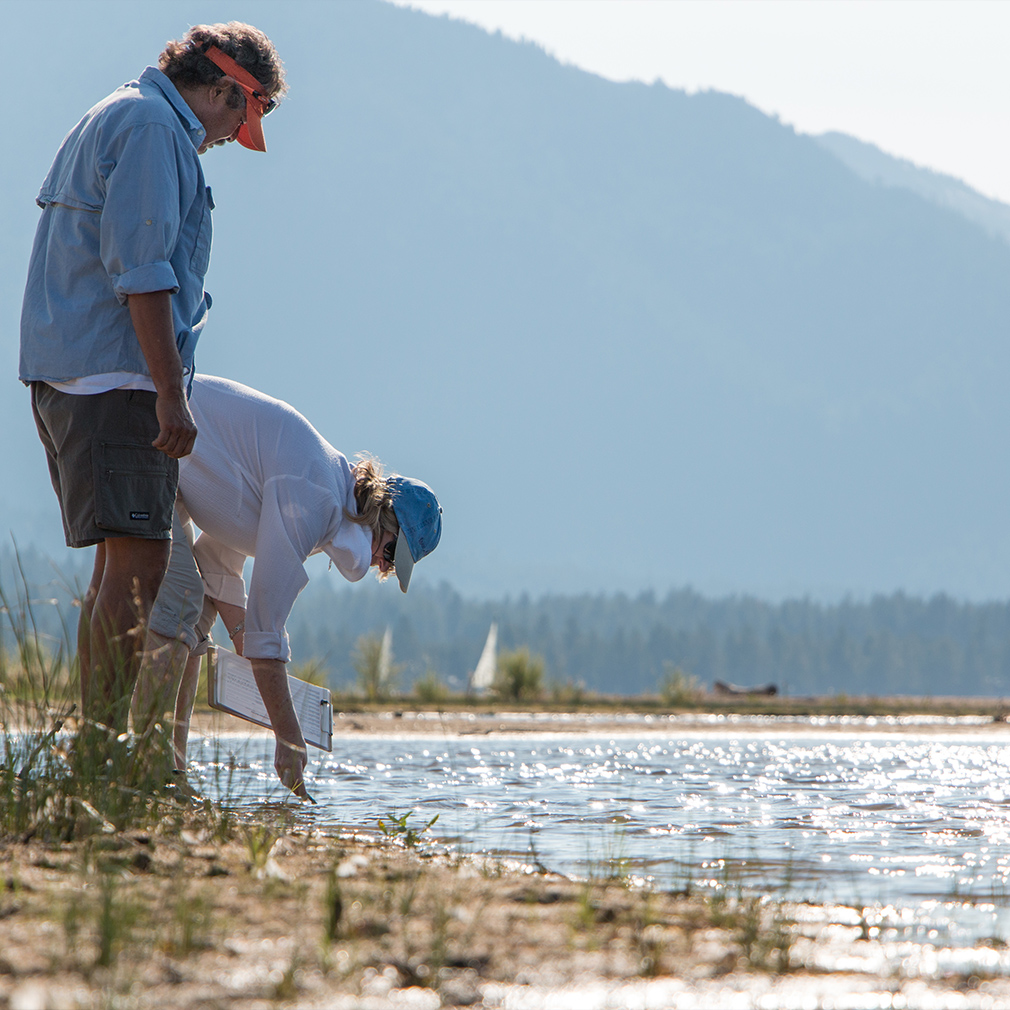
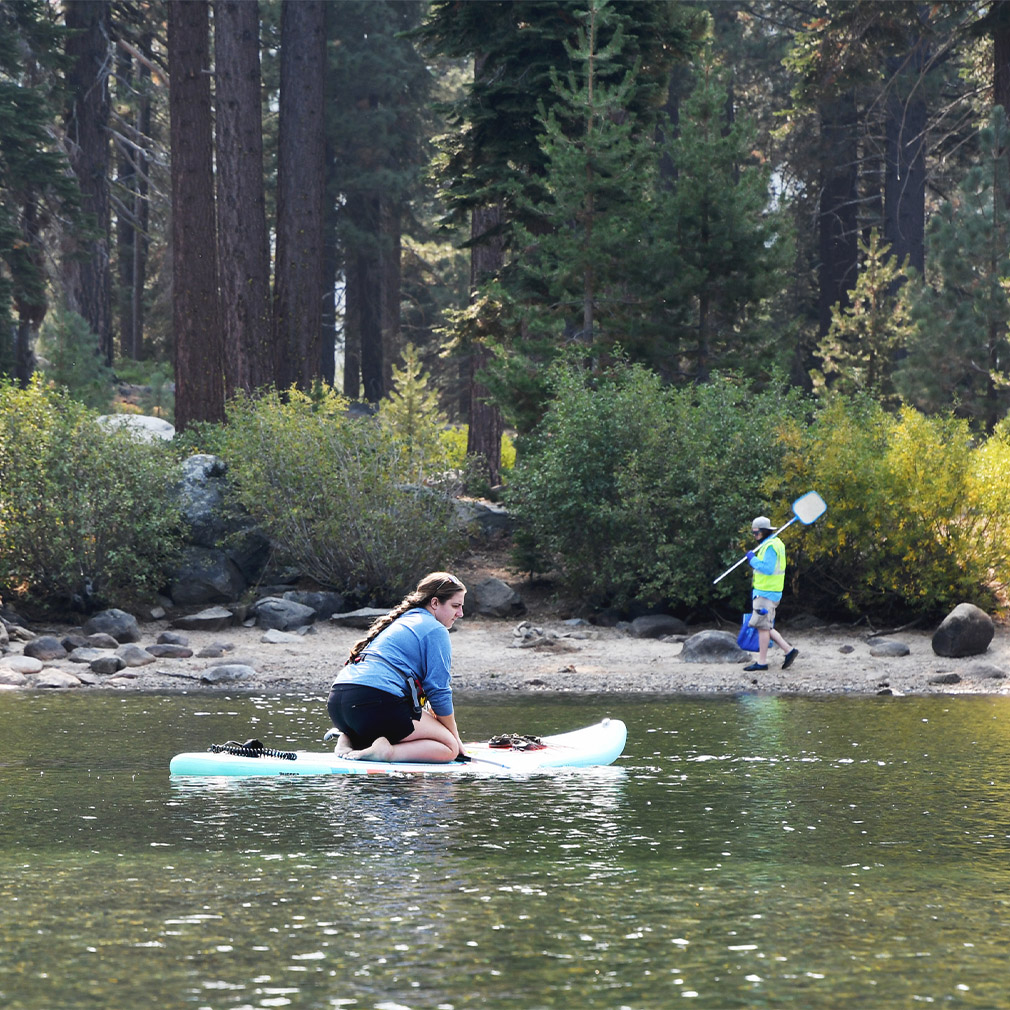
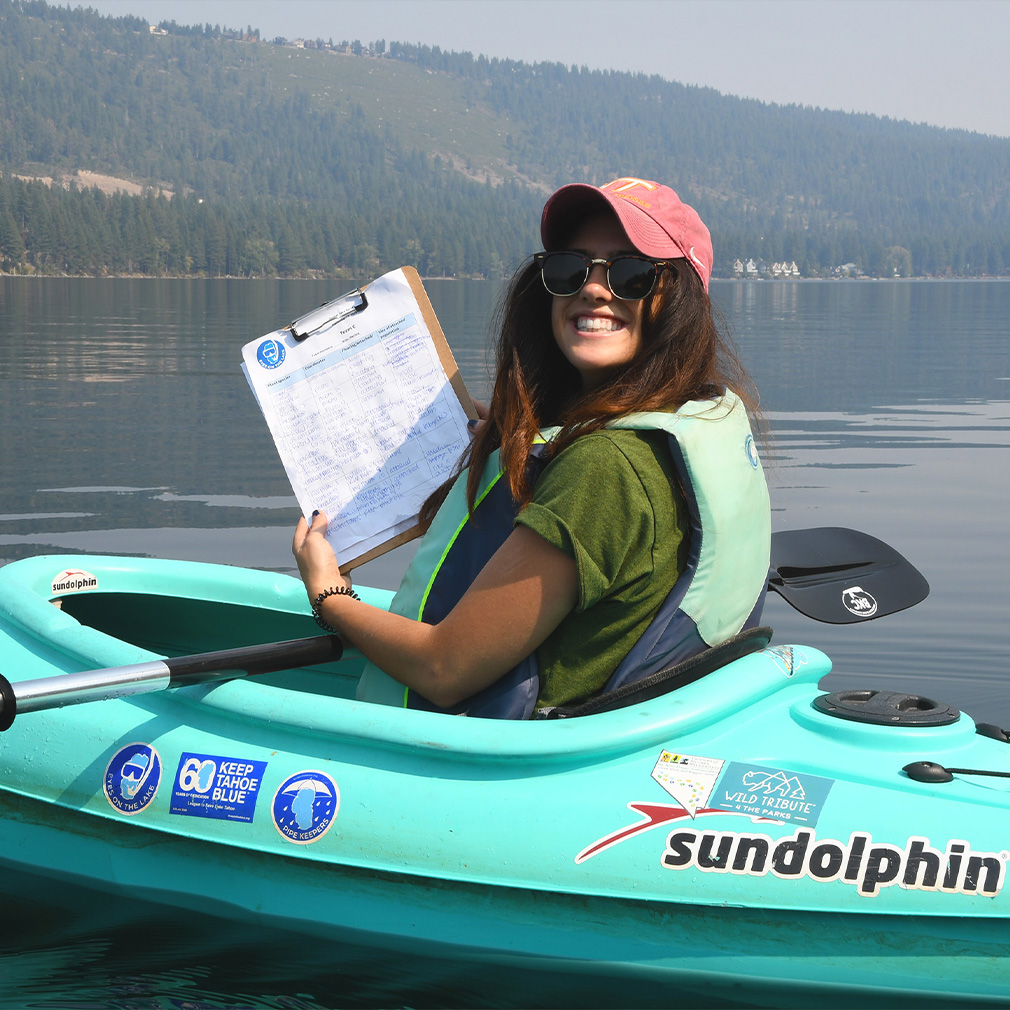
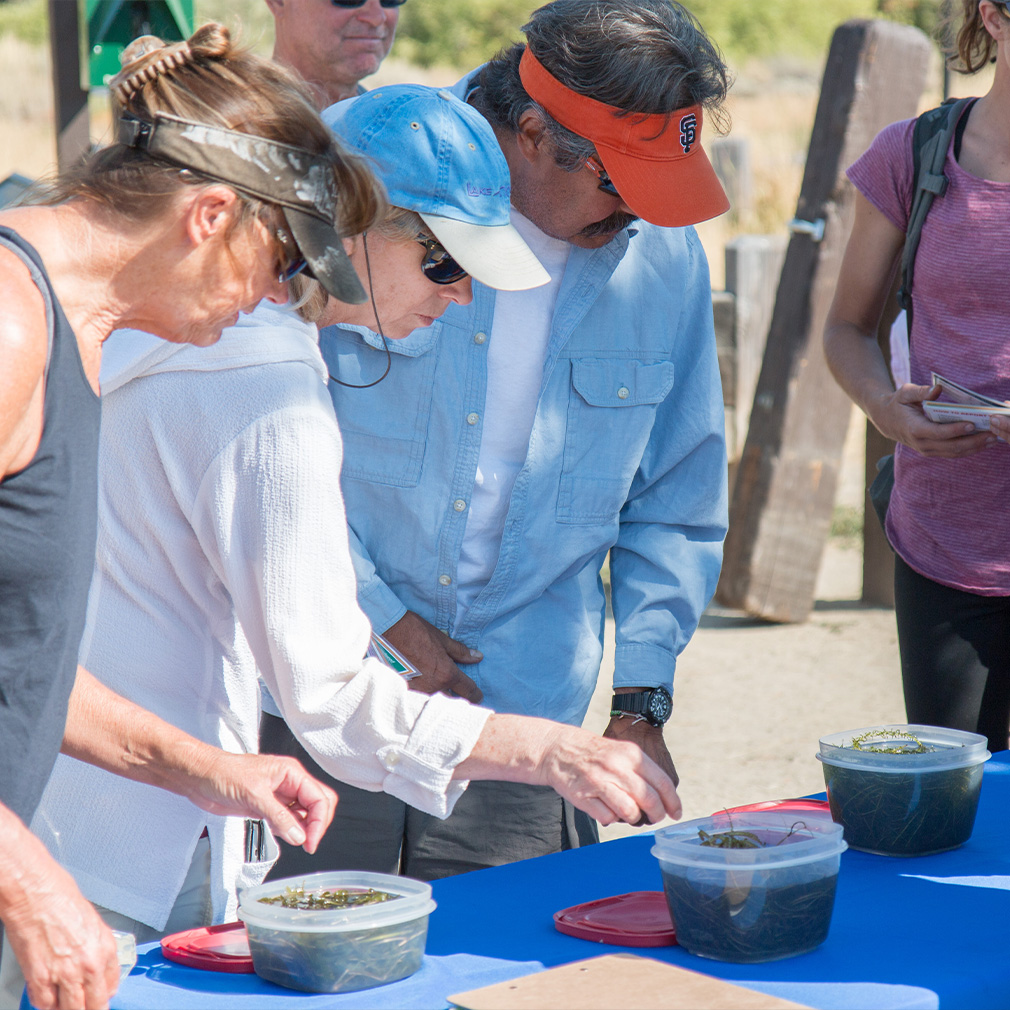
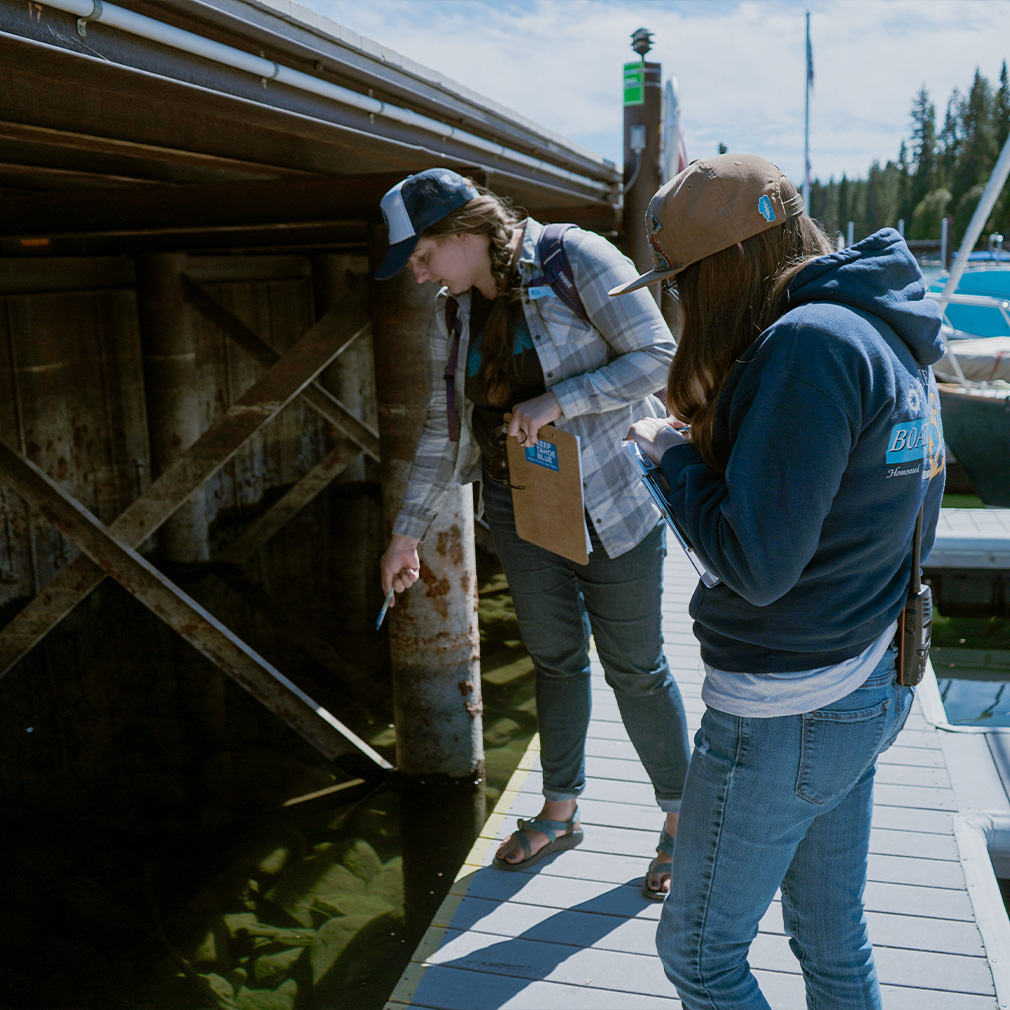
Golden mussels and other aquatic invasive species are a growing threat to Lake Tahoe’s clarity, ecology, and infrastructure. To help stop them before they spread, Keep Tahoe Blue’s Eyes on the Lake Outreach Team trains volunteers to educate paddlers, beachgoers, anglers, and other water users at Tahoe’s busiest beaches, marinas, and launch areas.
After training, volunteers sign up for short shifts at high-traffic locations to share information about invasive species, the Clean, Drain, Dry protocol, and the Tahoe Keepers program. It is a practical, community-powered way to help protect Tahoe before invasive species reach the water.
Click to watch the EOL Outreach Team training video
How to get started:
- Watch the Eyes on the Lake Outreach Team training video
- Take the Eyes on the Lake Outreach Team quiz
- Email eyesonthelake@keeptahoeblue.org to schedule equipment pickup
- Sign up for a shift
Shifts are one hour long, and volunteers are welcome to sign up for multiple shifts or participate with friends and family. Priority locations include Echo Lakes, Fallen Leaf Lake Campground, Meeks Bay, and Sand Harbor.
South Shore
- Echo Lakes*
- Fallen Leaf Lake Campground* CD3
- Angora Lakes
- Baldwin Beach
- Kiva Beach
- Camp Richardson
- Pope Beach
- Nevada Beach
- Roundhill Pines Beach
West Shore
- Meeks Bay* CD3
North Shore
*Priority locations
Want to make a bigger impact?
"Clean, Drain and Dry" every time
Harmful Algal Blooms (HABs)
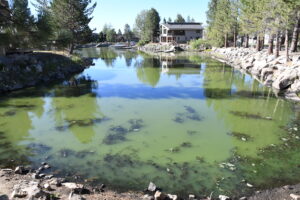
Harmful Algal Blooms (HABs) in the Tahoe Keys
HABs are formed by tiny organisms called cyanobacteria and can make the water a variety of colors such as green, white, red, or brown. HABs may look like thick paint floating on the water or as algal mats in rivers, streams, and along the shallow shorelines of lakes.
In lakes, HABs usually appear as a mix of intense shades of green in a paint-like sheen on the water’s surface. In rivers, HABs look like algal mats that are attached to the channel bottom. Algal mats can also become stranded on shorelines. Learn more here.
More ways to get involved
-
Become a Tahoe Keeper
 Tahoe Keepers are responsible and informed paddlers who understand how to Clean, Drain and Dry their watercraft and gear before and after launching in Tahoe regional waterbodies. These paddlers, anglers, and beachgoers are committed to protecting Lake Tahoe’s pristine watershed from the devastating effects of aquatic invasive species.
 -
Get the free Tahoe Boating app

The Tahoe Regional Planning Agency and the Keep Tahoe Blue designed the Tahoe Boating app as a free resource to inform boaters about Lake Tahoe, no-wake zone boundaries, area attractions, and how to enjoy the lake safely and responsibly. Lake Tahoe has no-wake zones to keep boaters, paddlers, and swimmers safe. Make your day on the water the best it can be – get the Tahoe Boating app.
-
Take the Tahoe Water Trail
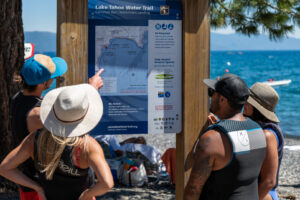
The Lake Tahoe Water Trail is a 72-mile water route along the shoreline that connects launch and landing sites that include restrooms, wayfinding signage, parking, transit, and trash cans. Paddlers can plan their safe, fun, and eco-friendly paddle trip with this free and convenient online tool.
Eyes on the Lake reports
Keep Tahoe Blue collects surveys of aquatic invasive plants. This map shows the locations of verified infestations of aquatic invasive plants, as well as locations where plant fragments have been spotted. We’re excited to provide this data for use by researchers, agencies and other decision-makers engaged in managing aquatic invasive species around Lake Tahoe.
A collaborative project of the Lake Tahoe AIS Program
Eyes on the Lake is led by the Keep Tahoe Blue, in partnership with the Tahoe Resource Conservation District and the Tahoe Regional Planning Agency, as well as other organizations that make up the Lake Tahoe Aquatic Invasive Species Program. Learn more about this program.